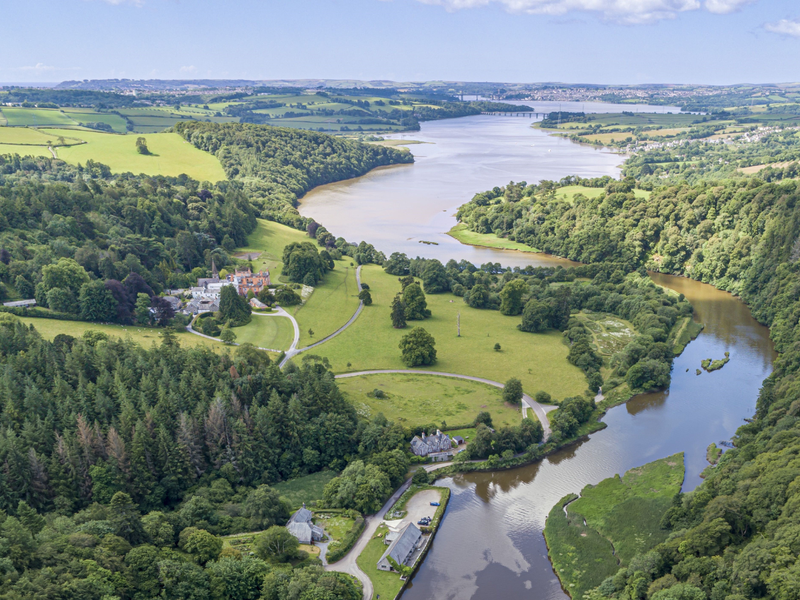
What is natural beauty? It’s a deceptively simple term, but once you start to really think about it, it can be hard to define…
Dr Sally Marsh, co-director of the High Weald National Landscape explains in her briefing for the National Landscapes Association that it is a holistic concept – nature and its interaction with human activity.
National Landscapes are designated to fulfil a purpose: ‘to conserve and enhance the natural beauty of the area’, however, there is no simple definition of natural beauty. The myriad elements that make a place beautiful couldn’t easily be boiled down into a textbook, never mind a paragraph.
The briefing explains what makes the huge variety of designated landscapes naturally beautiful:
- Landscape character: Each landscape tells a story of people interacting with physical geography over time. The National Parks and Access to the Countryside Act that established National Landscapes called for them to be conserved but not “fossilised” or treated as museum specimens, and formed part of a planning framework to resist harm and secure good design.
- Wildlife and features of interest: Valuable habitats such as chalk grassland depended on traditional low-input farming and forestry, so they were designated as Conservation Areas (now National Landscapes). Protection also covered geology, archaeology, vernacular buildings, settlement patterns, dialect, local industries and artistic associations.
- Emotional response to nature: Aesthetic experience is central. Joy, delight and calm were seen as vital to national health and wellbeing, and the idea carries a moral dimension (social wealth for all) and values nature for its own sake, not only for instrumental benefits.
Dr Sally Marsh is a Fellow of the Landscape Institute and sat on the Natural England Landscape Advisory Panel, advising on national landscape policy, designation strategy, and protected area reform. Her PhD thesis, ‘Natural Beauty: a term fit for public policy in the 21st century?’, examines how the legislative term "Natural Beauty"- established under the National Parks and Access to the Countryside Act 1949 - has evolved and affected conservation policy outcomes.