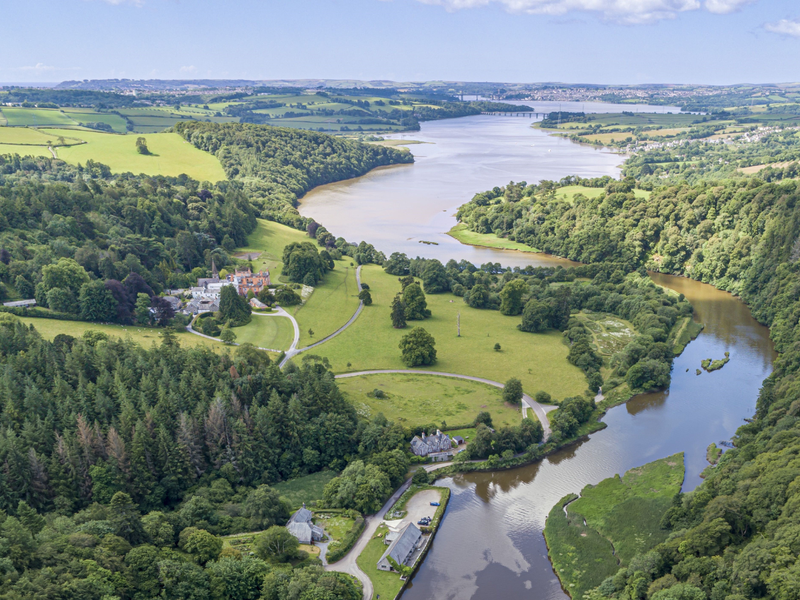
Dr Sally Marsh is co-director of the High Weald National Landscape, a Fellow of the Landscape Institute and sat on the Natural England Landscape Advisory Panel, advising on national landscape policy, designation strategy, and protected area reform. Her PhD thesis, ‘Natural Beauty: a term fit for public policy in the 21st century?’, examines how the legislative term "Natural Beauty"- established under the National Parks and Access to the Countryside Act 1949 - has evolved and affected conservation policy outcomes.
In this Briefing, Dr Marsh explores the origins of National Landscapes and sets out that natural beauty is about peoples’ interaction with the natural world over time and that assessing natural beauty requires a holistic approach.
Key points
The beauty of nature has been an enduring and shared value in Britain for at least the last 100 years.
Natural beauty in the context of protected landscapes is not just about wildlife but about peoples’ interaction with the natural world over time and how this manifests, both in the landscape around us and in our own health and happiness.
Policy based around natural beauty situates people’s emotional relationship with nature at its heart, offering a philosophy, narrative, and vocabulary which can help reconnect with the natural world, an approach considered essential by The Intergovernmental Science-Policy Platform on Biodiversity and Ecosystem Services (IPBES) to achieving global nature and climate goals.
Assessing natural beauty requires a holistic approach closely aligned with modern systems thinking – understanding outcomes through exploring the factors and interrelationships which create them.
As a non-instrumental value associated with universality and social justice, natural beauty is a concept that can align with fair, inclusive and participatory forms of decision-making.
The wording of National Landscape’s original purpose – preservation and enhancement of natural beauty – suggests that the precautionary principle, ‘do no harm’, was intended to be at the forefront of land use decisions in these areas.